




UPCOMING EVENTS
Authentici-Tea Conscious Conversation Circles
Every Thursday @ 7pm

Join us at Tonic on Thursdays for our weekly gathering for tea & Conscious Conversation. This isn’t your average tea party. Whether we’re discussing herbal alchemy, conscious parenting or exploring the frontiers of telepathy, shamanism, and near-death experiences, ….
+++++++++++++
Grounded Sound Baths
with Terrie Weaver

First & Third Fridays
April 3rd & 20th
6:45 pm
(with optional Cacao Ceremony beforehand at 6:00)
+++++++++++++
Conscious Kids Story & Tea Time
with Lakeja Baylor

+++++++++++++
3-Day Immersion: Reading the Body Immersion
with Margi Flint
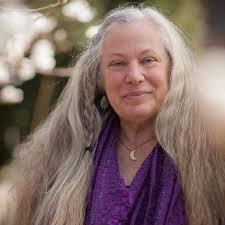
October 23rd-25th : 10am-4pm
++++++++++++
Beets
/in Herb of the Month /by Ashley DavisFebruary is Heart Month, and beets are beneficial to our heart health. The red color gives you a clue that they are nourishing to the blood.
Actually, the red-violet pigment that gives beets their rich color comes from a compound called Betaine, which has been show to improve vascular health, lower blood pressure, protect the liver from non-alcoholic fatty liver disease, and protect other organs from inflammation. (1)
Beets also contain nitrate, which the body converts to vasodilating nitric oxide, another mechanism of lowering blood pressure (2).
AND, beets are loaded with polyphenols (antioxidant), carotenoids (precursor to Vitamin A), vitamin C, folate (vitamin B12), iron, potassium and other minerals (2). These phytonutrients work together to nourish the blood, reduce oxidative stress, lower inflammation & blood pressure, protect the blood vessels, support the liver & improve eyesight (2, 3)
According to Ayurveda, the sweet-tasting and dense beet is provoking for kapha dosha, and raw beets are provoking to pitta, while cooked beets pacify pitta dosha (3). The cooling quality is what helps to pacify pitta. The antioxidant bioflavonoids also reduce disorders related to heat/fire such as allergies, inflammation and infection.
February is a great time of year to detoxify the liver, before the rising temperatures of spring bring a surge in blood flow and biochemical activity.
Beet Muhammara (raw beet & walnut dip)
This was a customer favorite back in the day when we were offering more foods in the kitchen. Now you can enjoy it at home.
Instructions:
1) Biotricity
2) NIH
3) Joyful Belly