Shilajit
 Shilajit- a renowned Ayurvedic tonic.
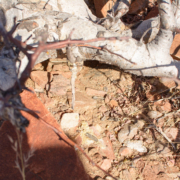
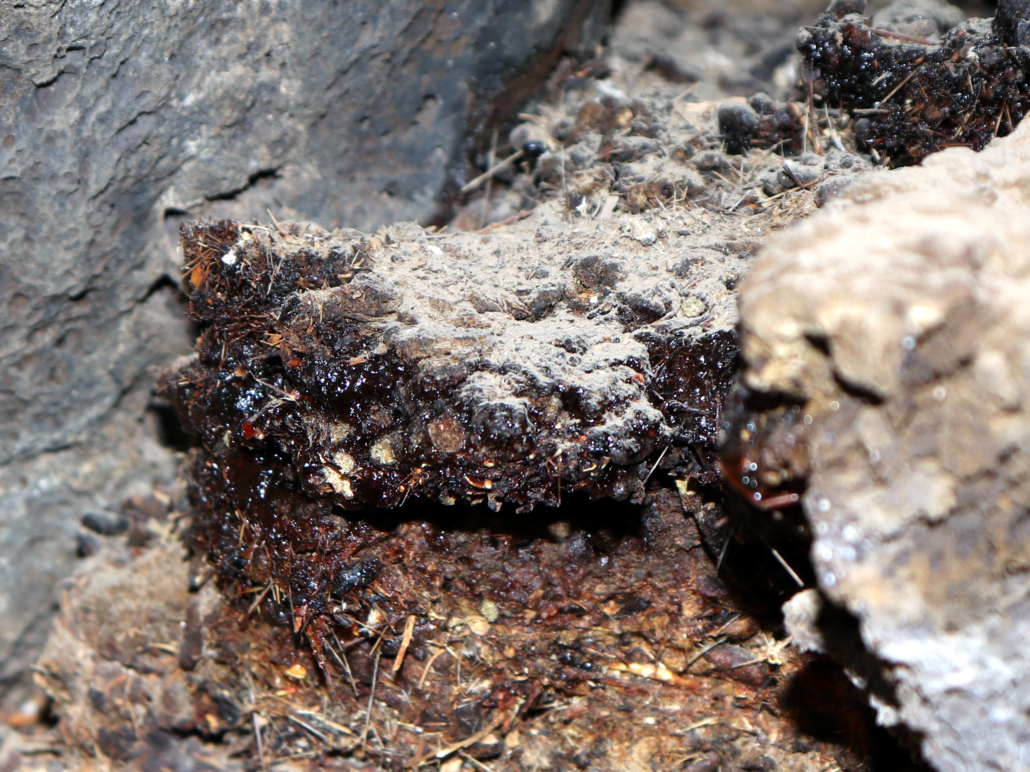
Shilajit is a natural tar-like mineral substance that exudes from the rocks in the Himalayas in the late spring and summer. It is made from decomposed resin-containing plant material trapped between layers of rock that has been acted on by enzymes and microbes within the earth for over hundreds of years, until warm weather causes the transformed black resin to seep to the surface. As you might expect from something that comes from deep in the rocks and earth, Shilajit is loaded with minerals including potassium, magnesium, phosphorous, calcium and iron. It is also source of fulvic and humic acids. These acids play a role in enhancing the absorption and transportation of nutrients and are even said to help open the third eye (pineal gland).
Equally nourishing and detoxifying, Shilajit is balanced and has been used as an adaptogenic tonic for improved physical and mental energy for millennia. It is known for increasing vitality and stamina and strengthening cognitive, reproductive and immune function. It is reputed to assist with the detoxification of heavy metals, and help to cleanse the urinary tract, lungs and blood from toxins and excess kapha (the Ayurvedic dosha responsible for dampness, phlegm, and excess cholesterol). Ayurveda classifies Shilajit as a rasayana, or a rejuvenating tonic that can be taken daily for overall wellness. According to the Charaka Samhita “There is no curable disease in the universe that cannot be cured by Shilajitu” (Adaptogens, p. 201).
In Ayurvedic medicine, Shilajit is tridoshic, meaning that it is balancing to all 3 doshas. This makes it safe and appropriate for just about anyone, but please use with care during pregnancy. And because it helps to lower blood sugar, it is not recommended to use shilajit concurrently with other hypoglycemic agents.
Properties: adaptogen, anti-inflammatory, antioxidant, anxiolytic, nootropic, hypoglycemic, immunomodulator, anti-ulcerogetnic, inhibits allergic response, supports mitochondrial health and cellular energy, improves memory and enhances longevity/graceful aging.
Indications: wasting, degenerative diseases, diabetes, chronic urinary tract problems, impotence, infertility, osteopenia, bone fractures, osteoarthritis, anemia, ulcers, kidney stones, asthma, anxiety, heart disease, jaundice, epilepsy, gallstones*
“Modern studies have shown that shilajit is better than the drug metformin at reducing blood sugar levels” (Adaptogens, p. 202). It combines well with other hypoglycemics such as gymnema for treating type 2 diabetes. Shilajit has also demonstrated an ability to reduce total cholesterol, while increasing HDL, and it was found to increase dopamine levels in mice (Adaptogens, p. 203).
Ayurvedic Energetics:
- Rasa (taste): bitter, salty, pungent, astringent
- Virya (action): slightly heating
- Vipaka (post-digestive effect): pungent
- Doshas (constitutions): Balancing for kapha, may aggravate pitta in excess (The Yoga of Herbs)
How to Use: Most Shilajit is sold as a resin in a jar and you take a small scoop the size of a peppercorn or a pea, mix it with hot water or warmed milk to dissolve, and drink it. It is very bitter, and some people like to mix it with their coffee to mask the flavor. Others drink it straight. You can also find it in capsule and tablet form (we carry all three at Tonic).
Dosage: 250-1000 mg per day, 4-6 days/week. A pea-size ball of resin is about 500 mg. The equivalent dose can be found in 1-2 capsules, taken twice a day. It’s best to use Shilajit for 6-8 weeks at a time, then take a few weeks off and start again, cycling one and off.
History/Folklore: the discovery of Shilajit is said to have been made by Himalayan villagers who observed monkeys chewing on a semisoft substance that flowed from between layers of rock. They credited this substance with the impressive strength, wisdom and longevity of these particular monkeys. Some referred to Shilajit as soma, which was considered the elixir of immortality, the secret substance used by alchemists to perfect both body and mind. In Unani-Tibb (Greco-Arabic medicine), shilajit is known as momia or mumijo and was used as an antidoe for poisons and to treat a variety of diseases. (Adaptogens, p. 202)
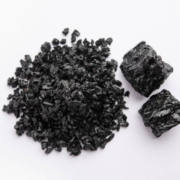 Harvesting & Preparation: “Shilajit is obtained by pulverizing the black, greasy-looking stones and boiling them in water. After the boiling, a creamy film develops and this is removed” and the remaining solution further purified by soaking in a triphala decoction [an Ayurvedic herbal formula] (Planetary Herbology, p. 136). This process of soaking and filtering takes six to seven days. The purified solution is then evaporated by the sun until it most of the water has dissipated and what remains is a black, sticky resin. It will keep like this for several years.
Precautions: Unprocessed shilajit can be contaminated with potentially toxic fungi. Good quality shilajit will be lab tested for mold, microbes and heavy metals. Shilajit should be used with caution by pregnant women and by people taking diabetes medications.
* These statements have not been reviewed by the FDA. The information in this article is not intended to diagnose, treat or cure any disease
References:
- Yoga of Herbs by Dr. David Frawley & Dr. Vasant Lad
- Adaptogens by David Winston
- Planetary Herbology by Michael Tierra